Inside My Brick and Mortar Chapter. Two Years Operating a Store With AAFES
The Beginning.
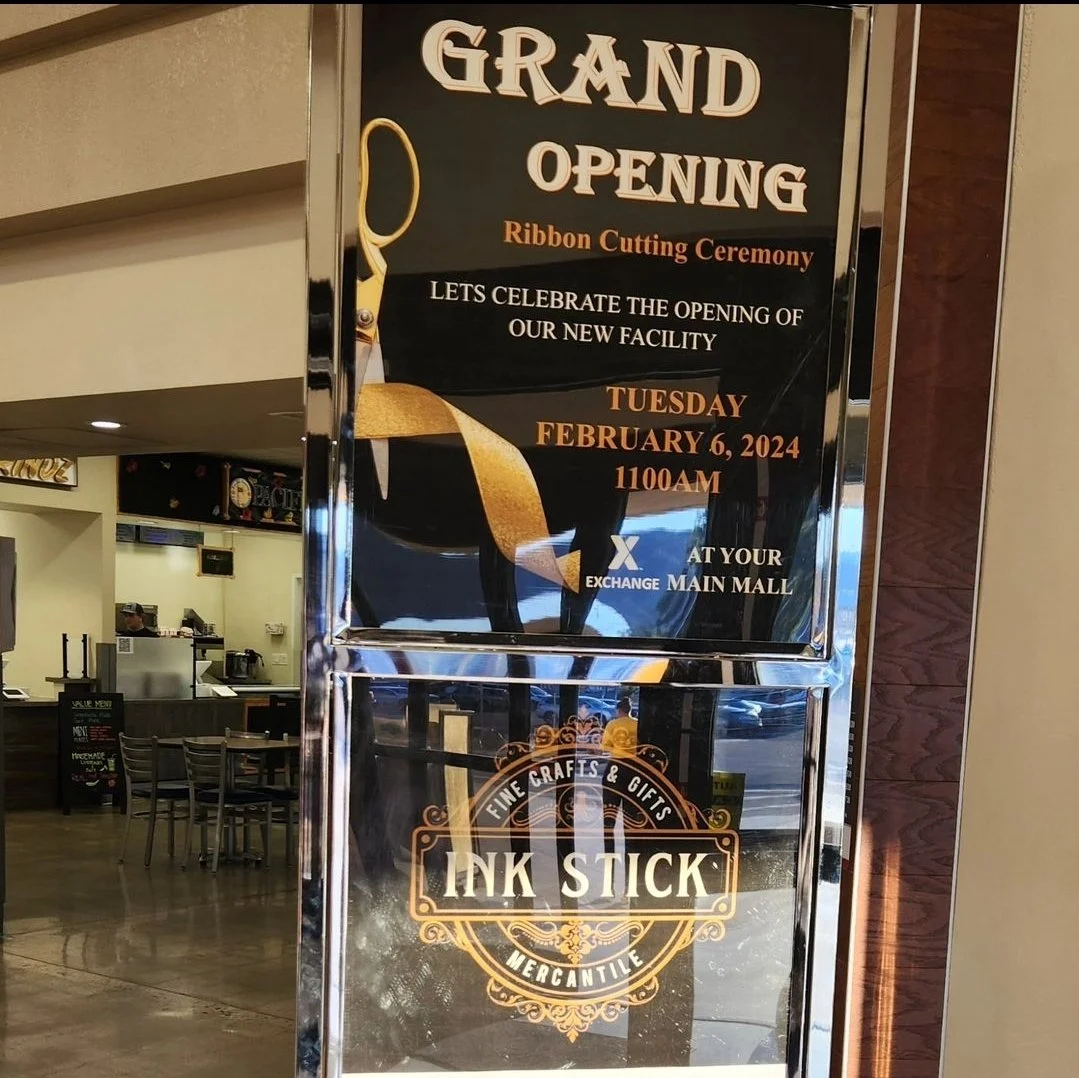
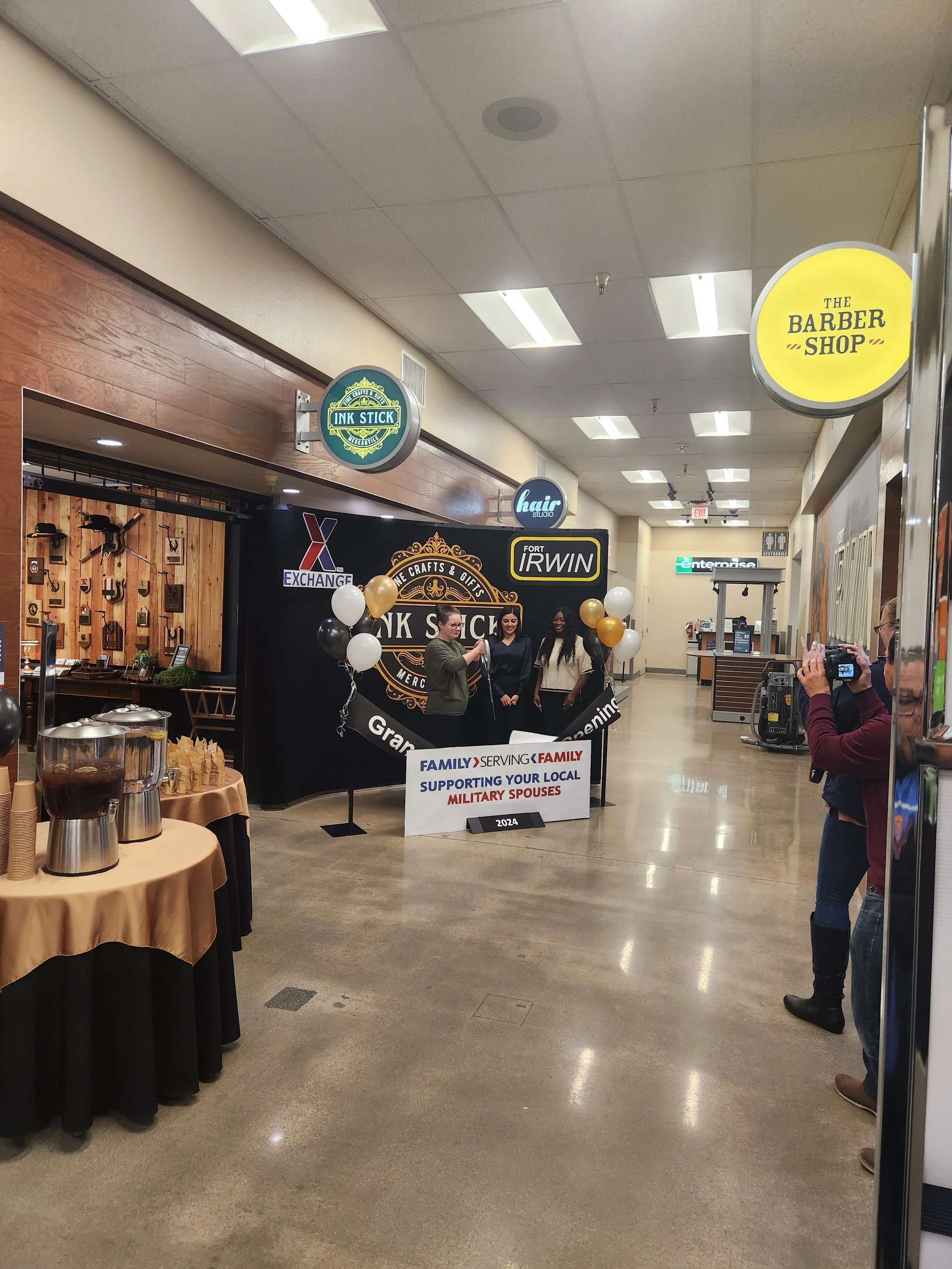
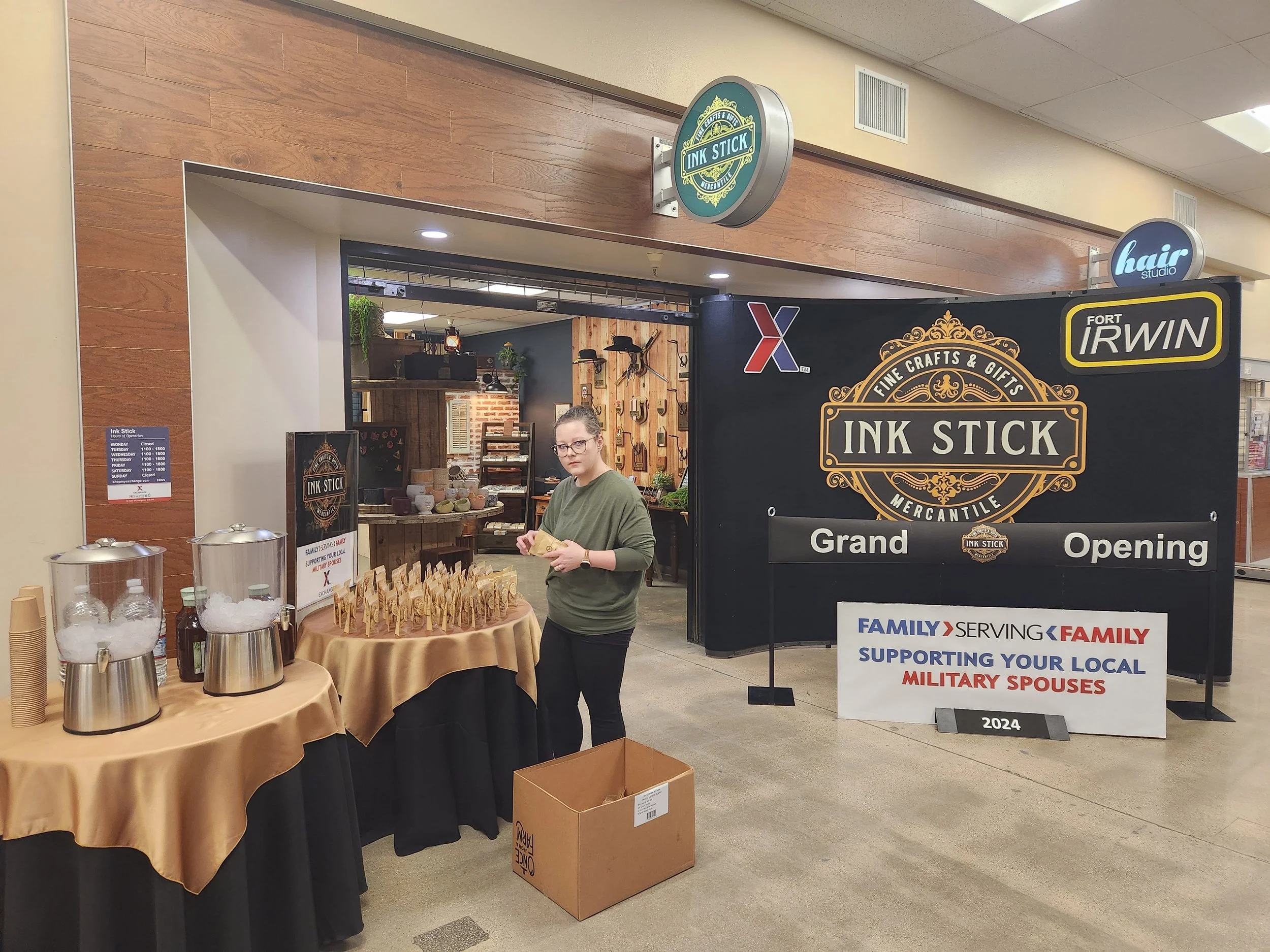
Every military spouse has a story about reinventing themselves with each move. Mine just happened to involve opening a full retail store inside the Army and Air Force Exchange Service. When I signed my contract with AAFES in December of 2023, I thought I knew what I was stepping into. I had a thriving small business, a clear vision, and a list of products that had already performed well online and at pop up markets. I walked into that agreement believing I was simply leveling up.
It turned out to be one of the most intense and educational chapters of my business journey.
The Setup. The Cost That Surprised Me and the Choices I Made
To work with AAFES, I provided a full inventory list along with the history of my previous sales. They reviewed everything, approved my concept, and established a structure for how I would operate inside the PX. Instead of paying a flat rent, I paid 10% of my monthly sales through a settlement report at the end of each month. It worked a little like running a kiosk, but with the expectations of a permanent store.
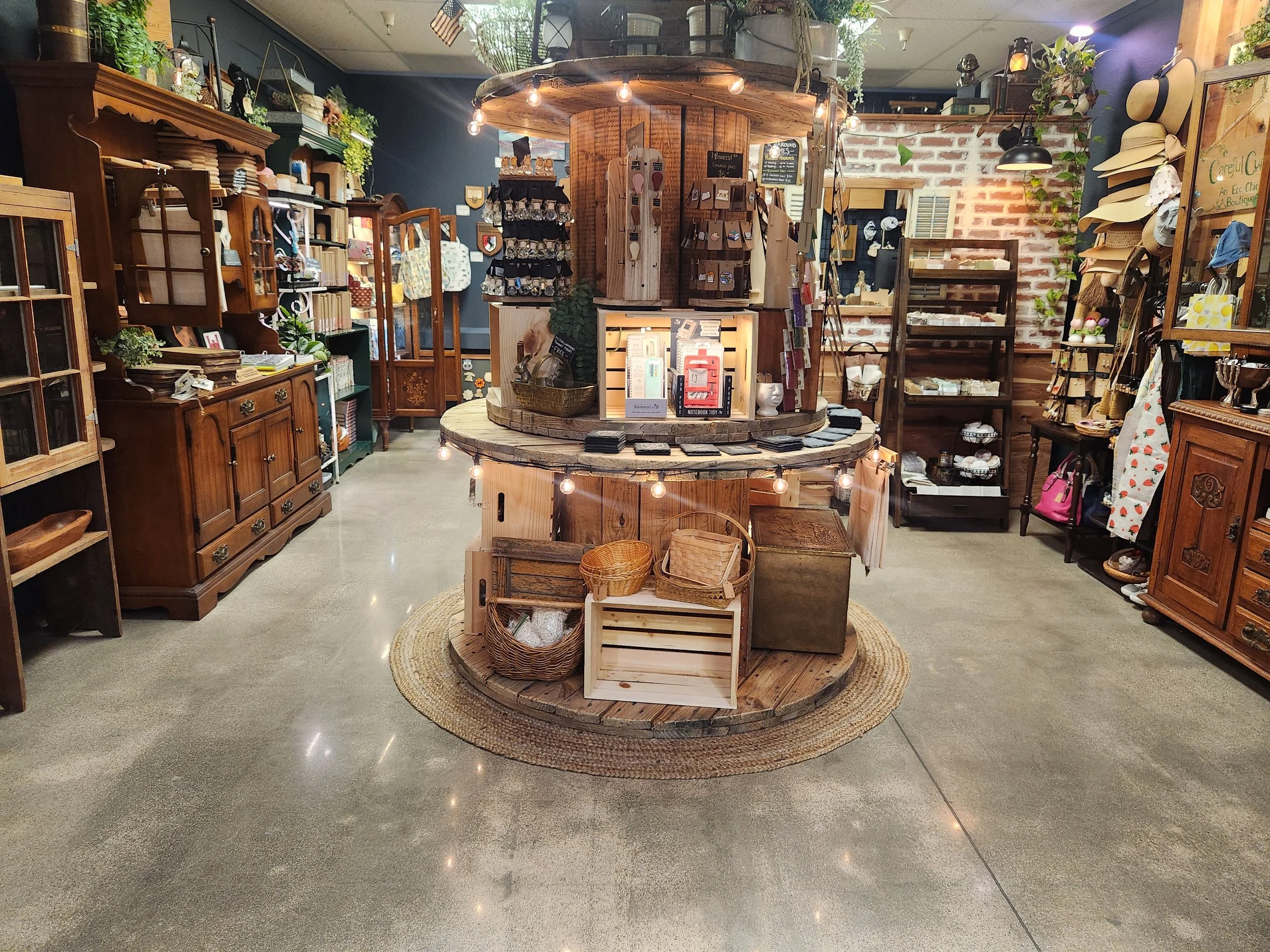
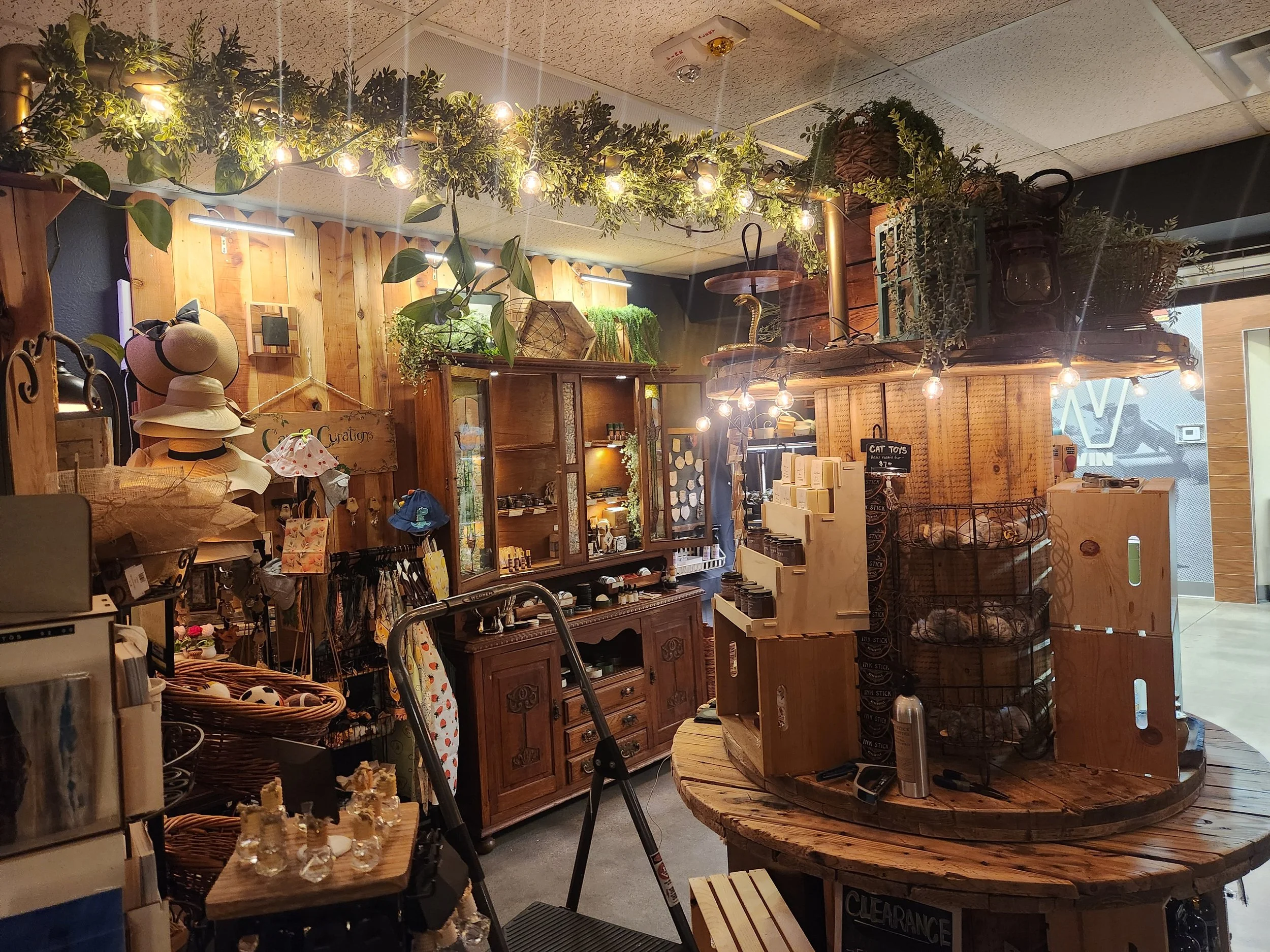
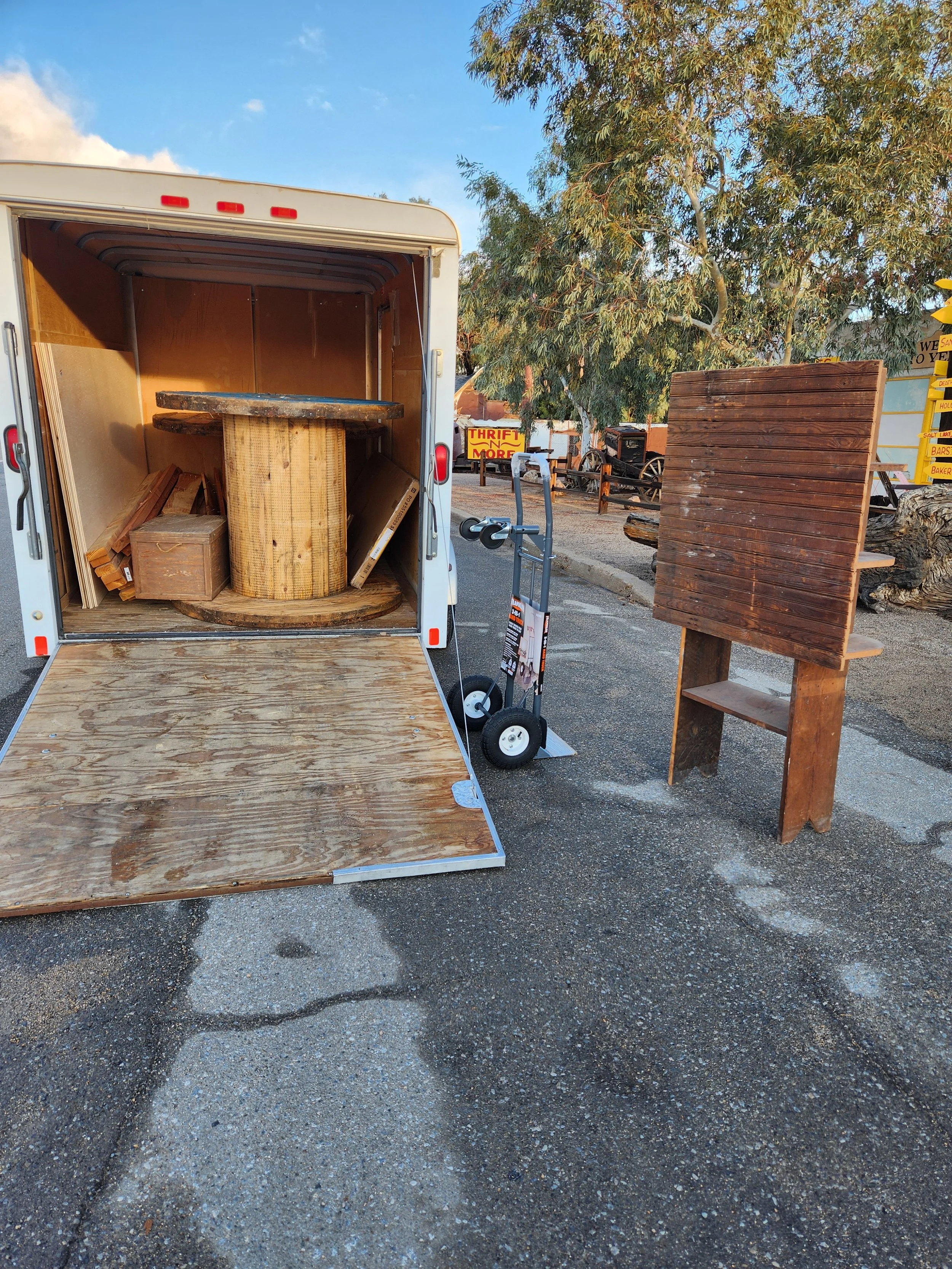
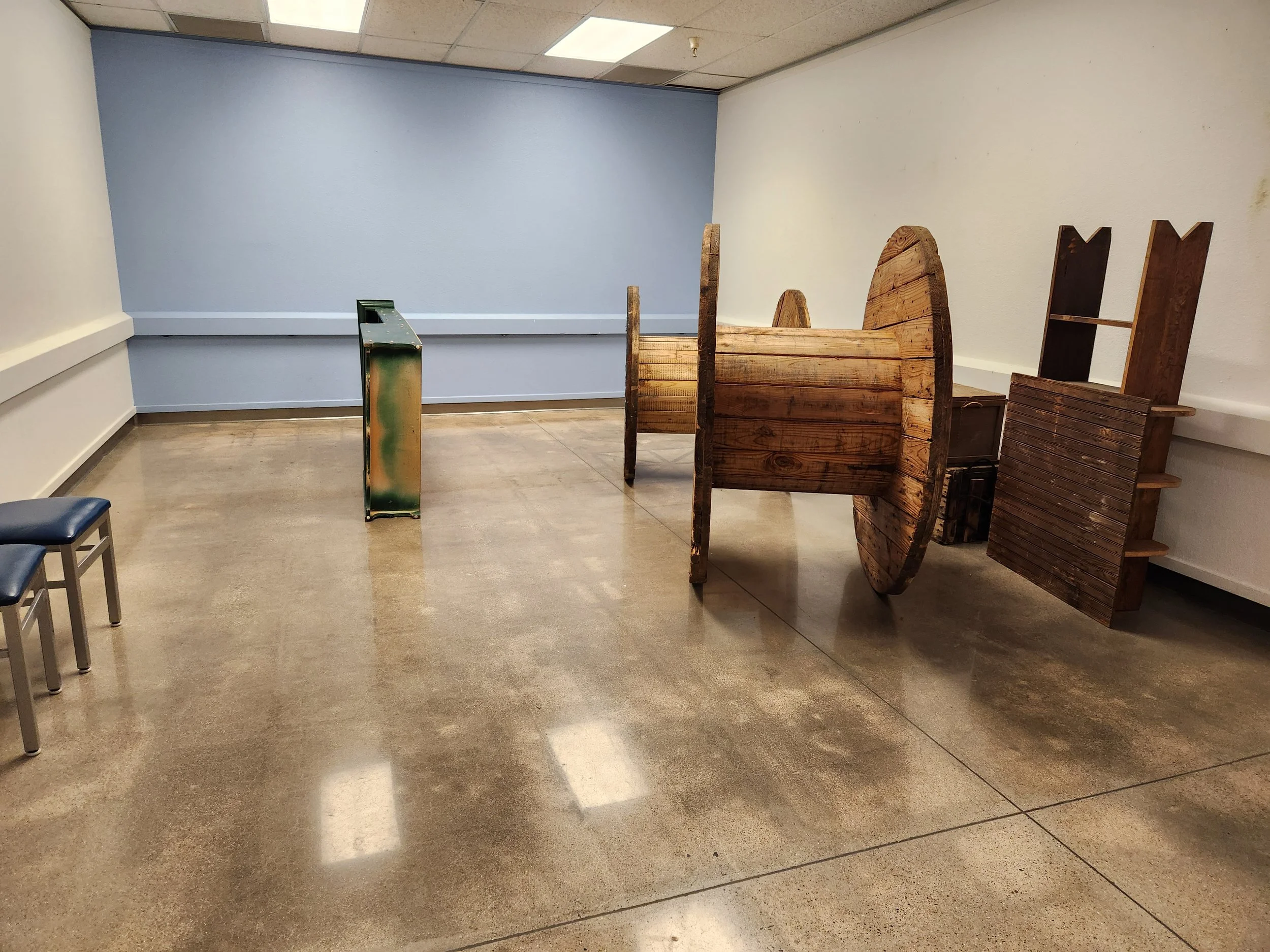
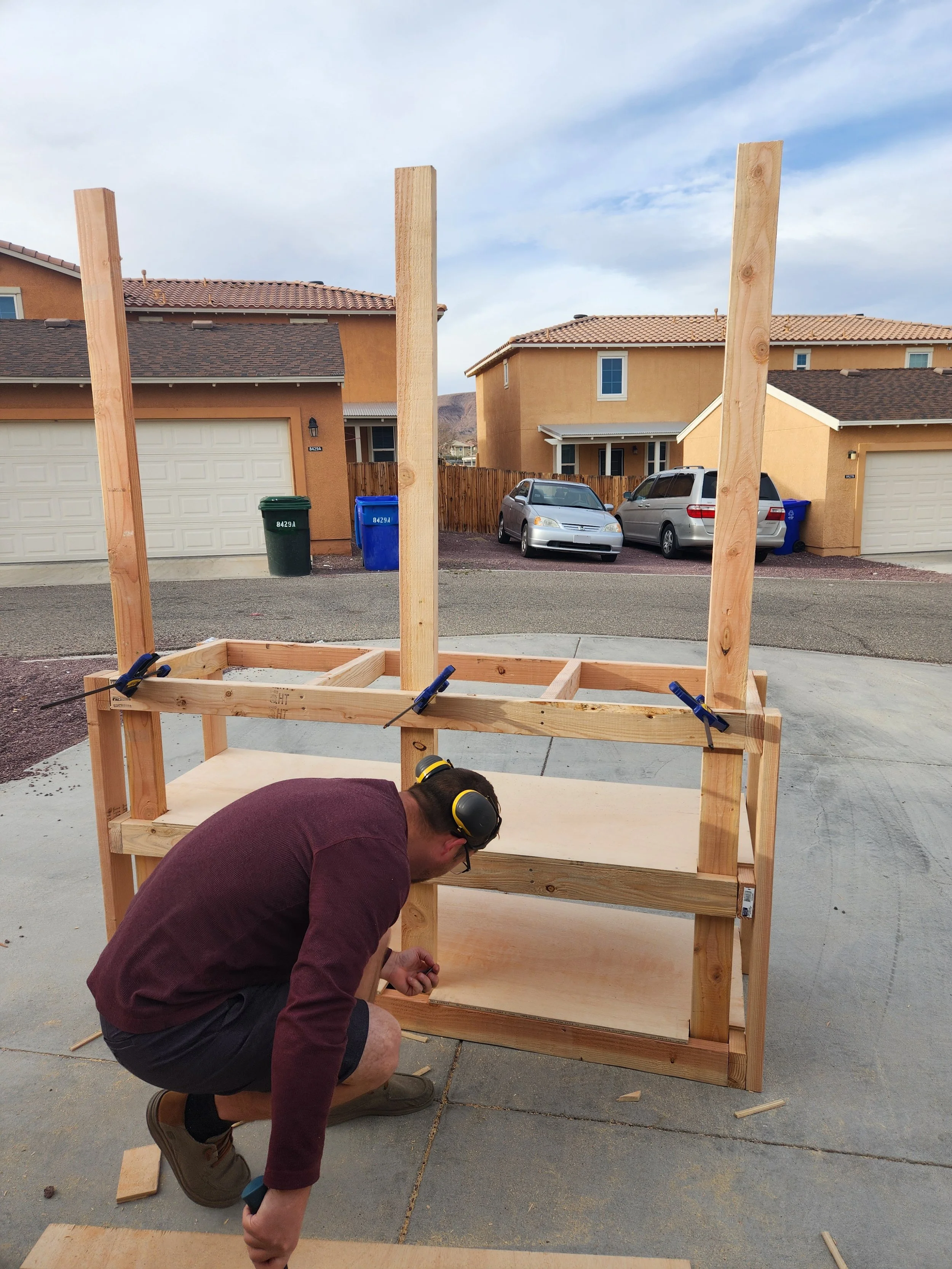
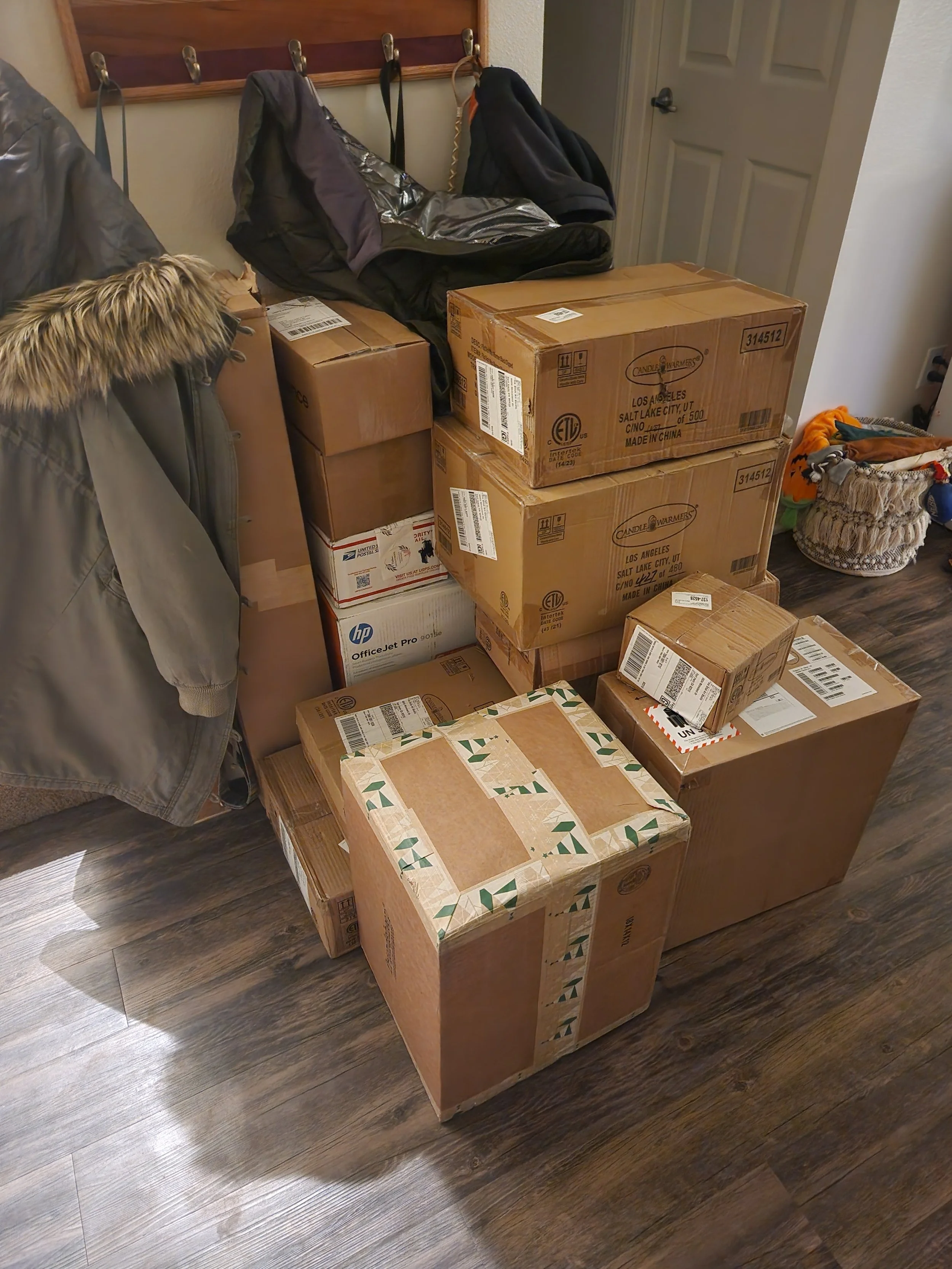
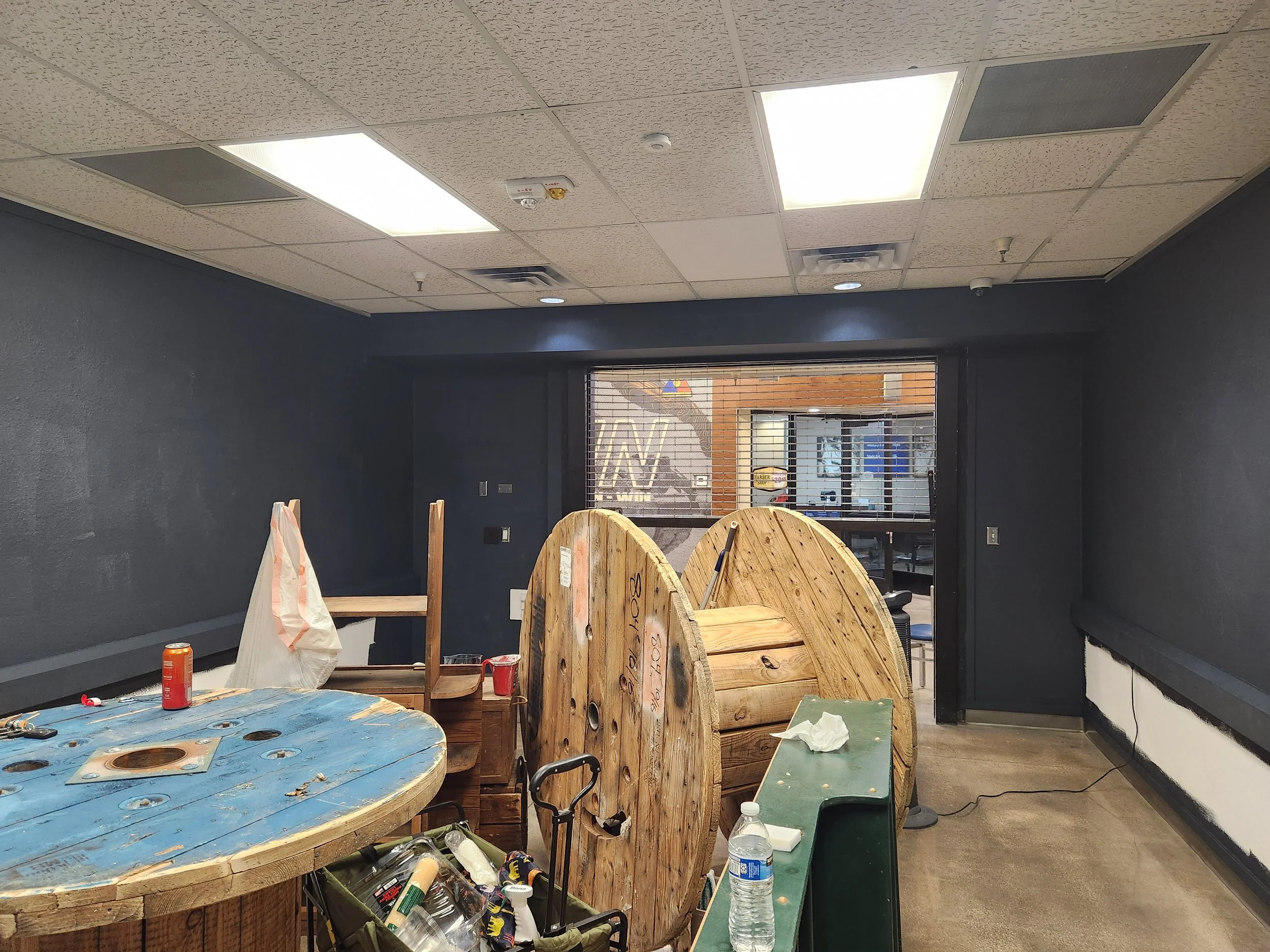
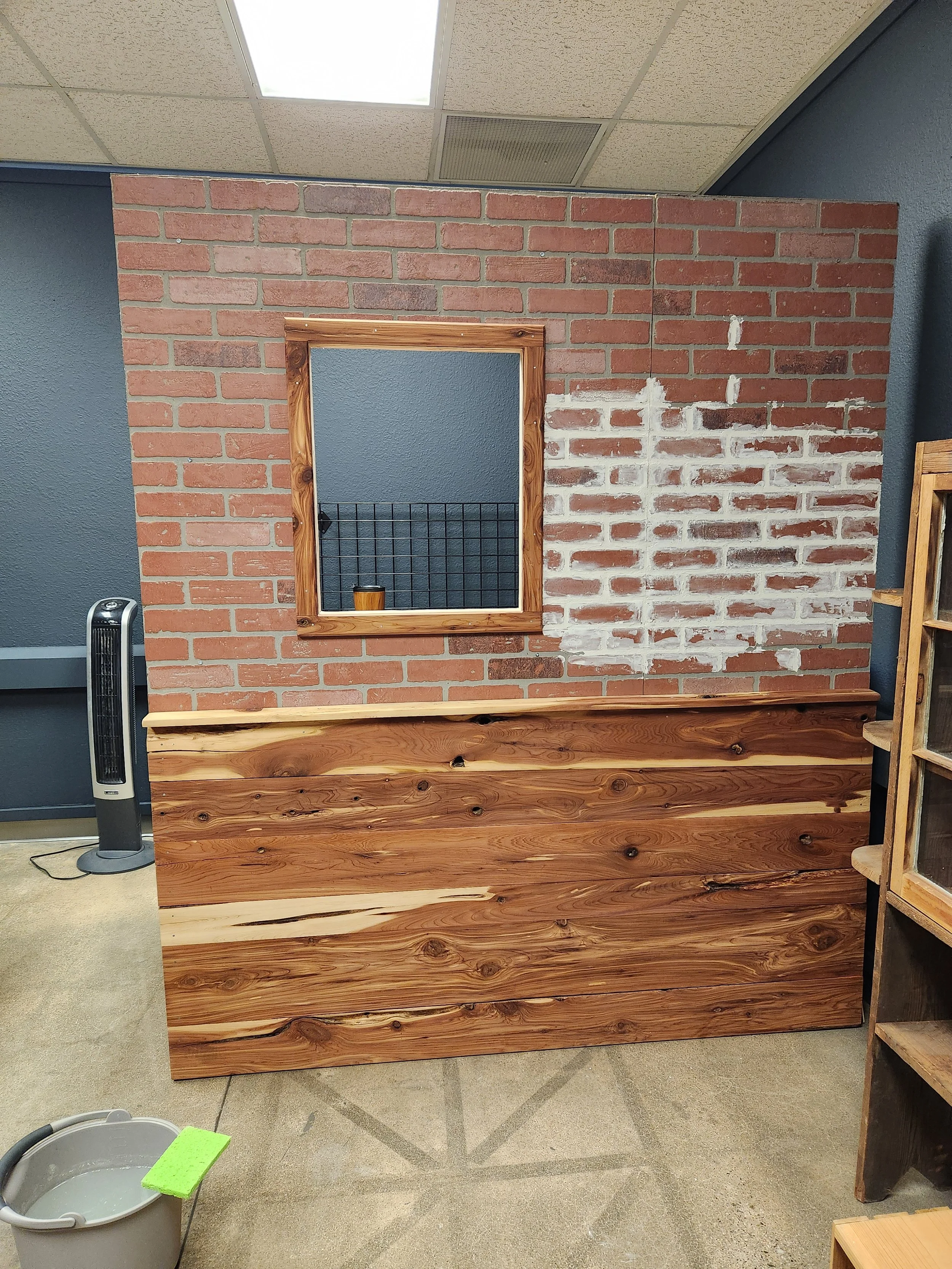
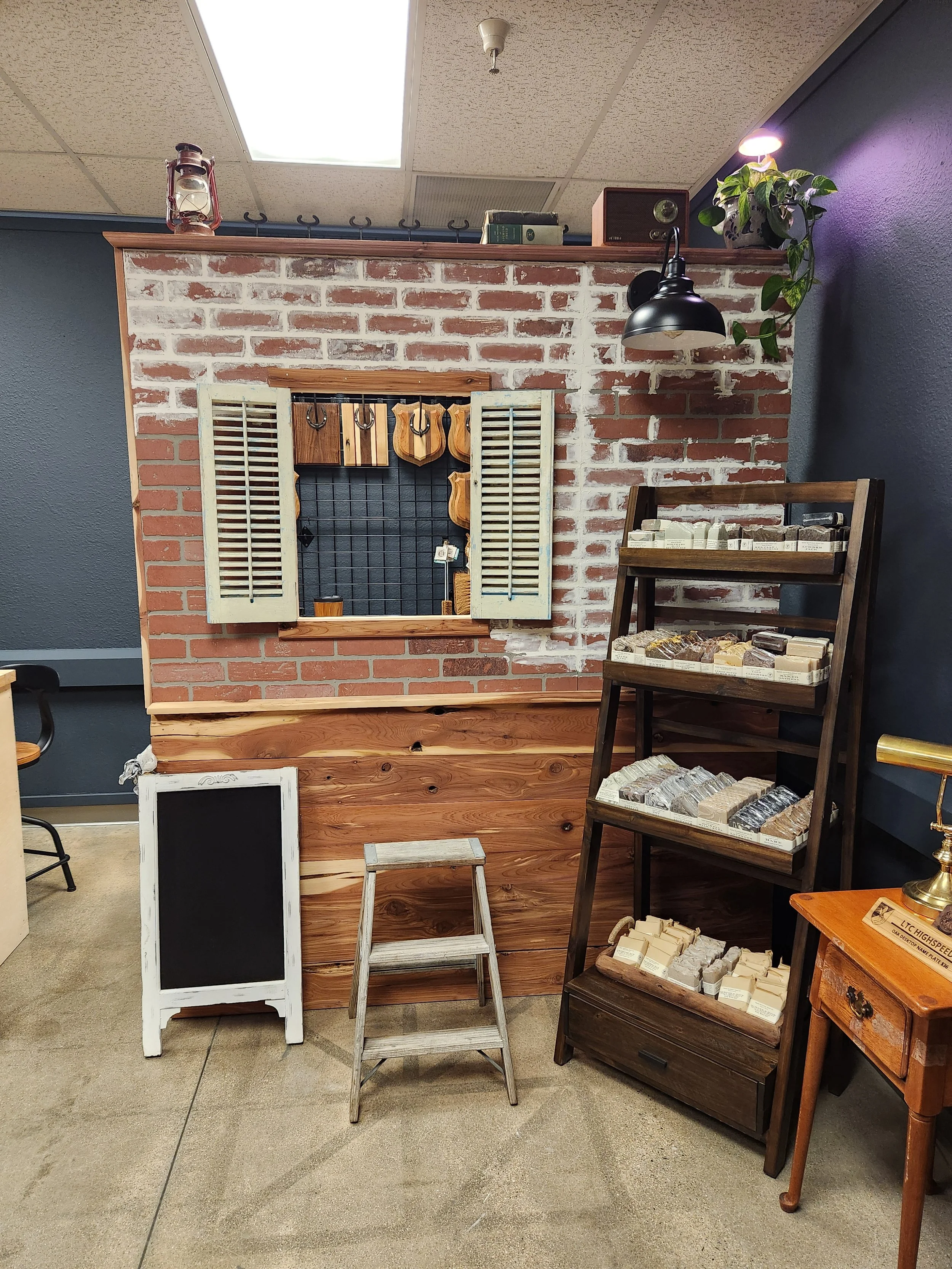
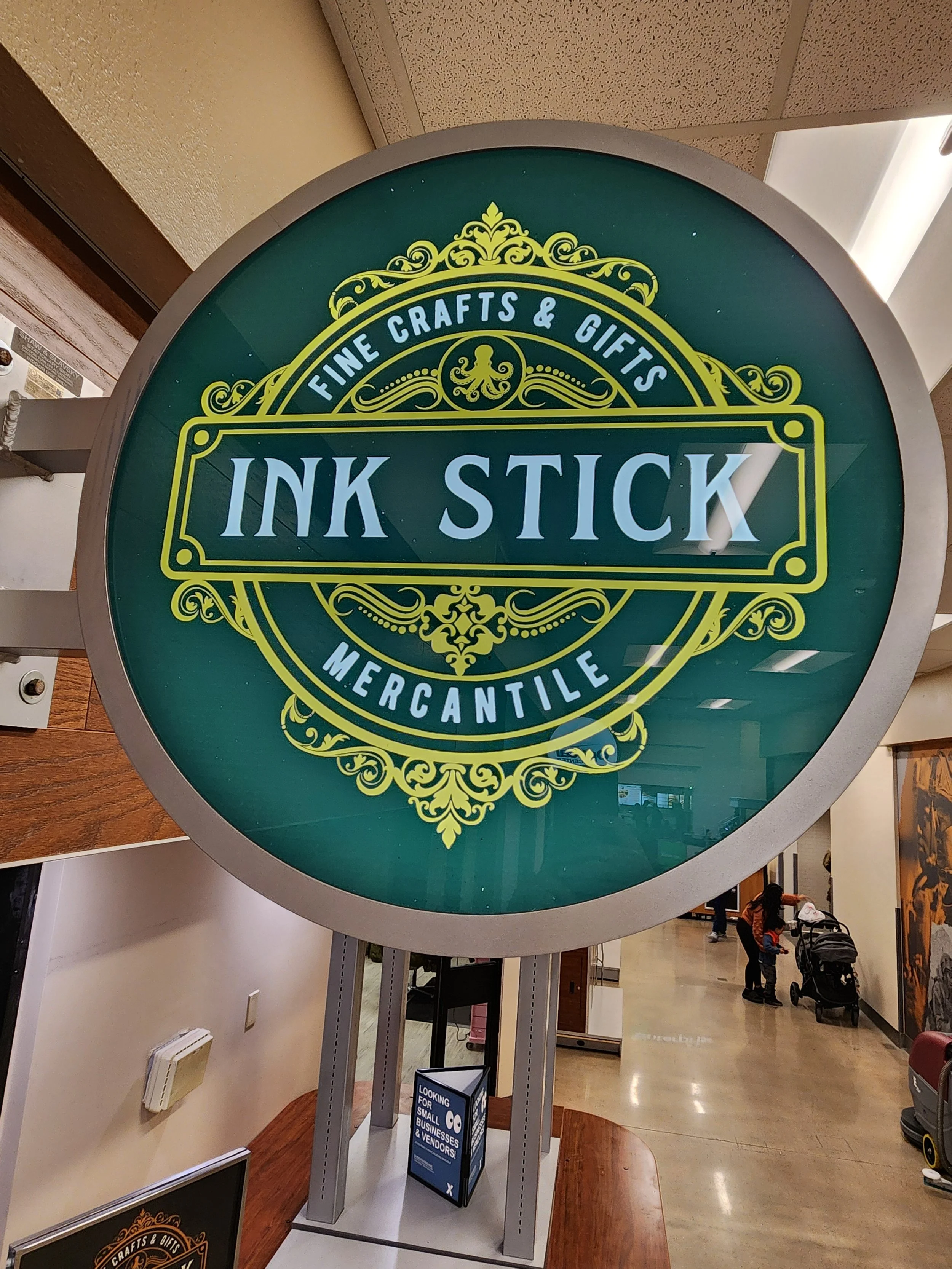
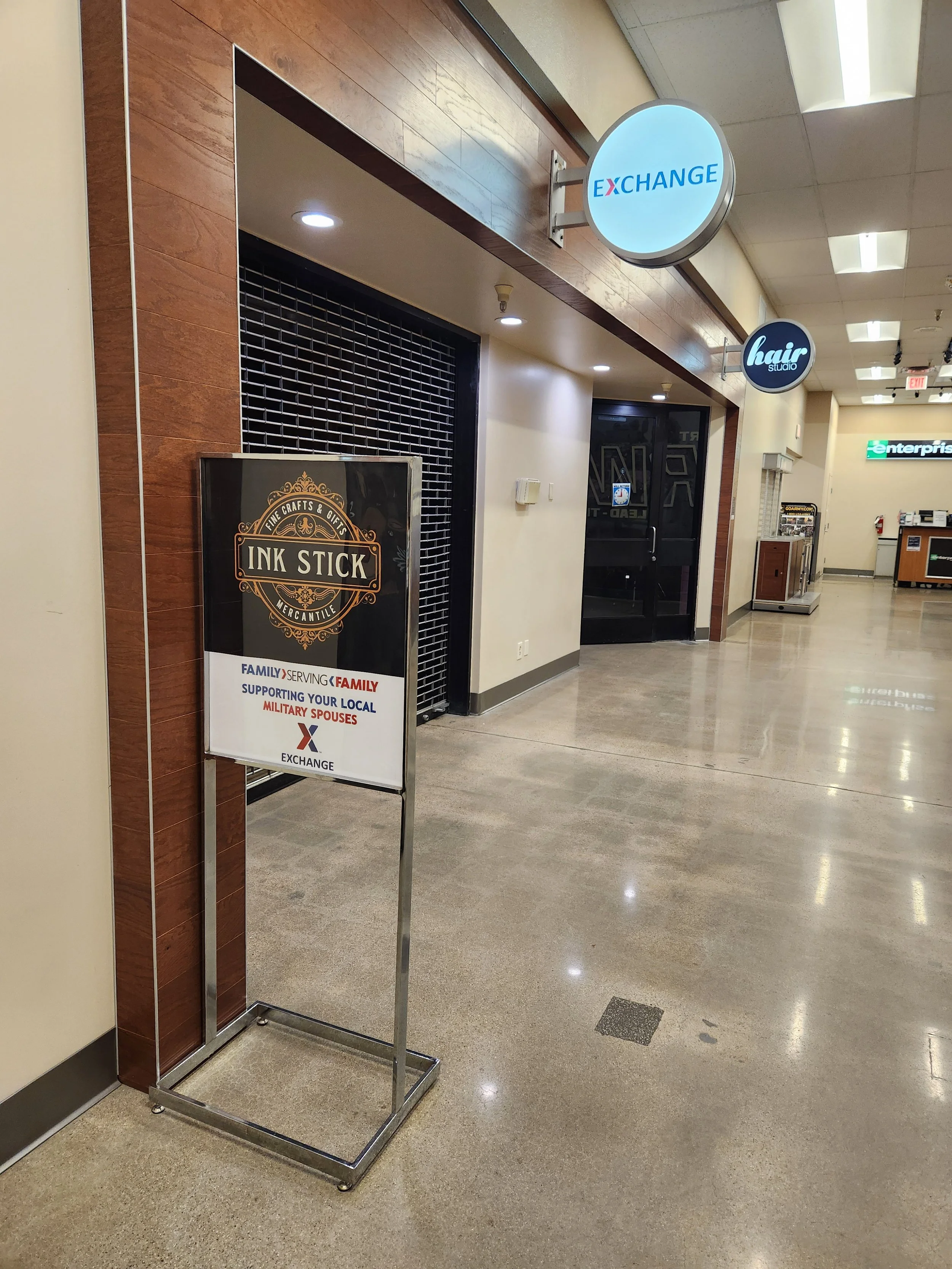
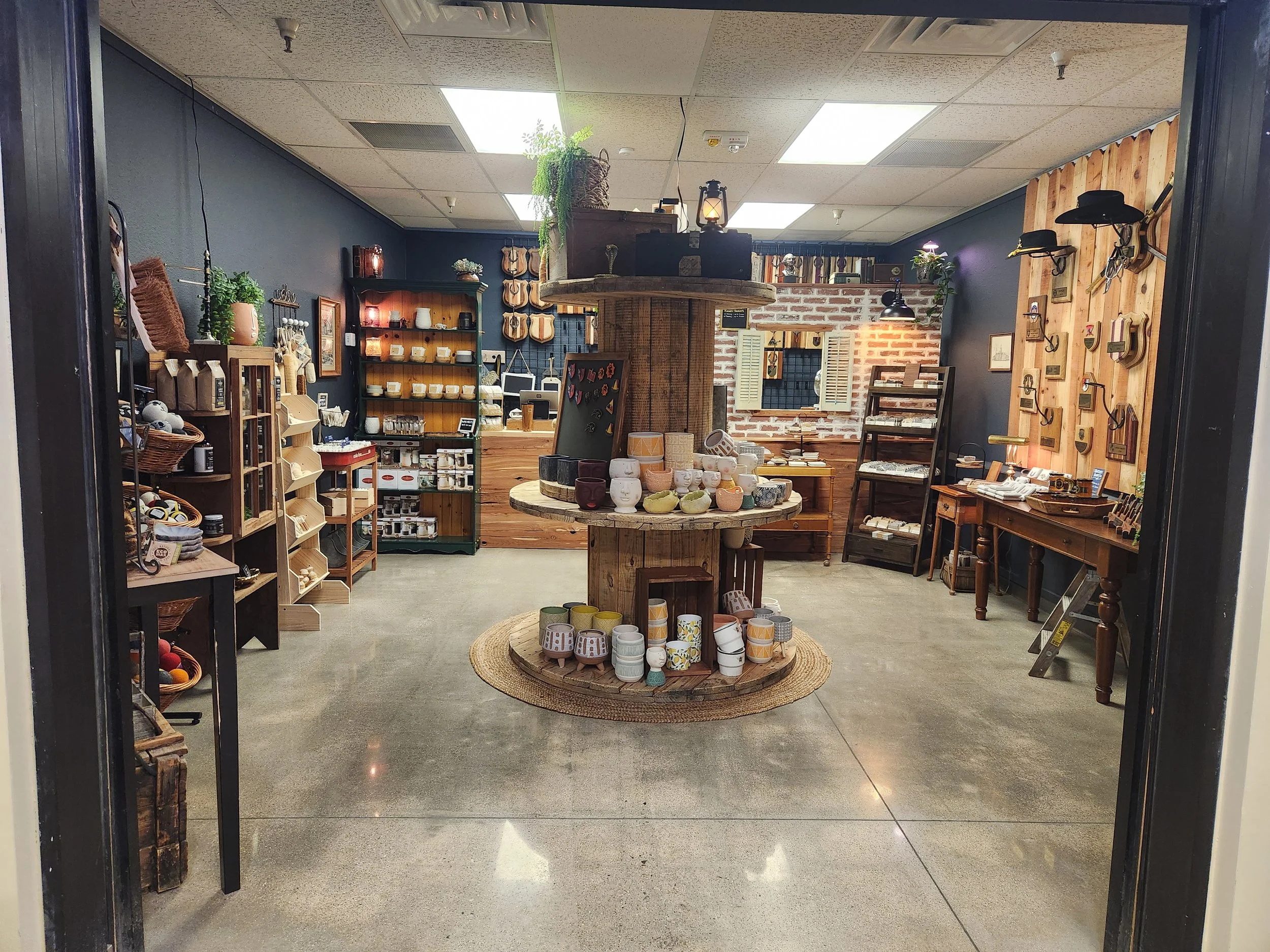
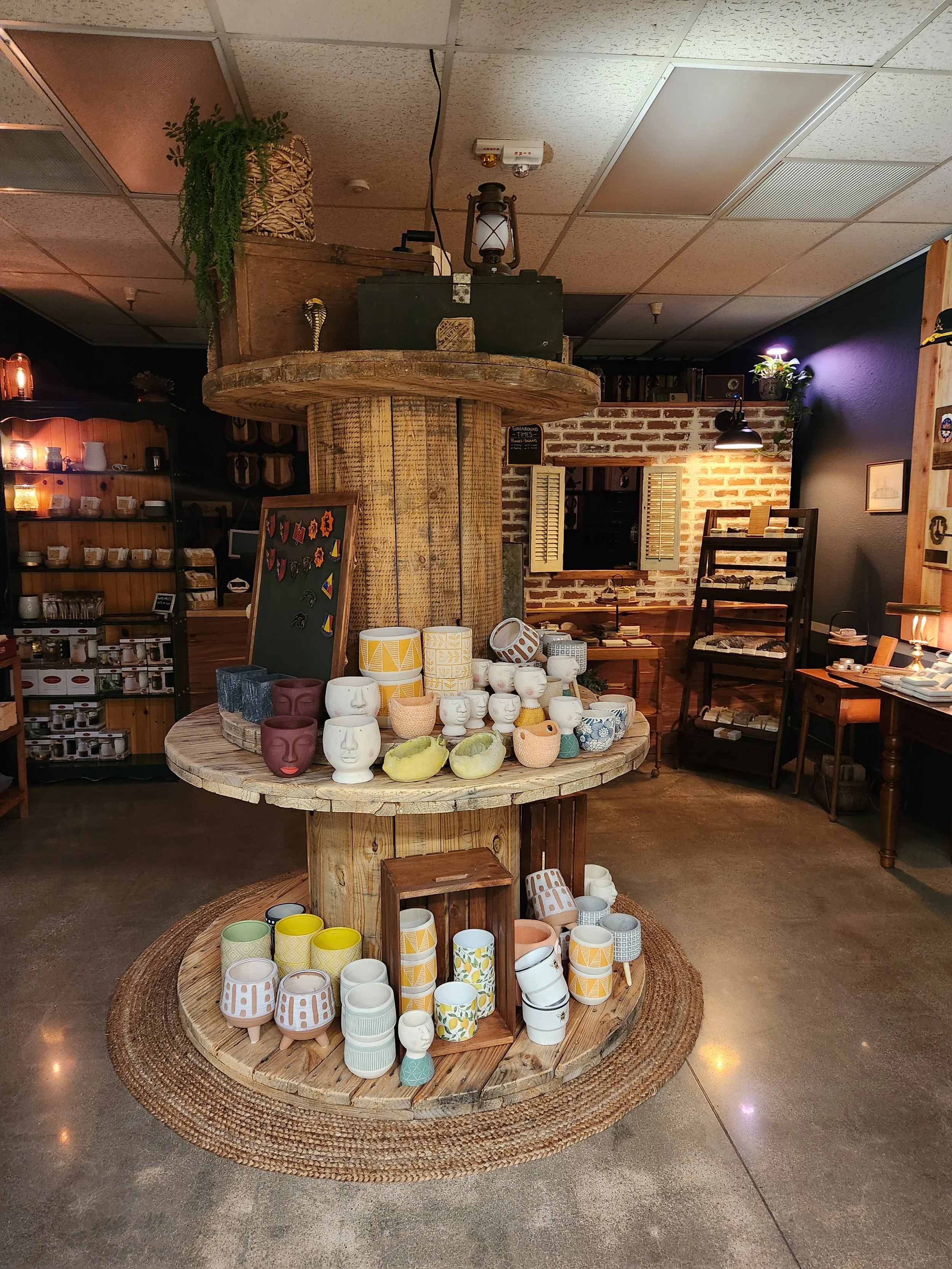
Before the doors ever opened, I had invested about $21,000 into the space. It came from years of saving business income and went into signage, displays, inventory, a POS system, checkout counters, shopping bags, decorations, and all the small behind the scenes expenses that add up quickly. My signs were mostly purchased. My displays were thrifted. My décor was a blend of both. The only installation I did not personally handle was the official store sign that AAFES mounted for me, which cost around $250.
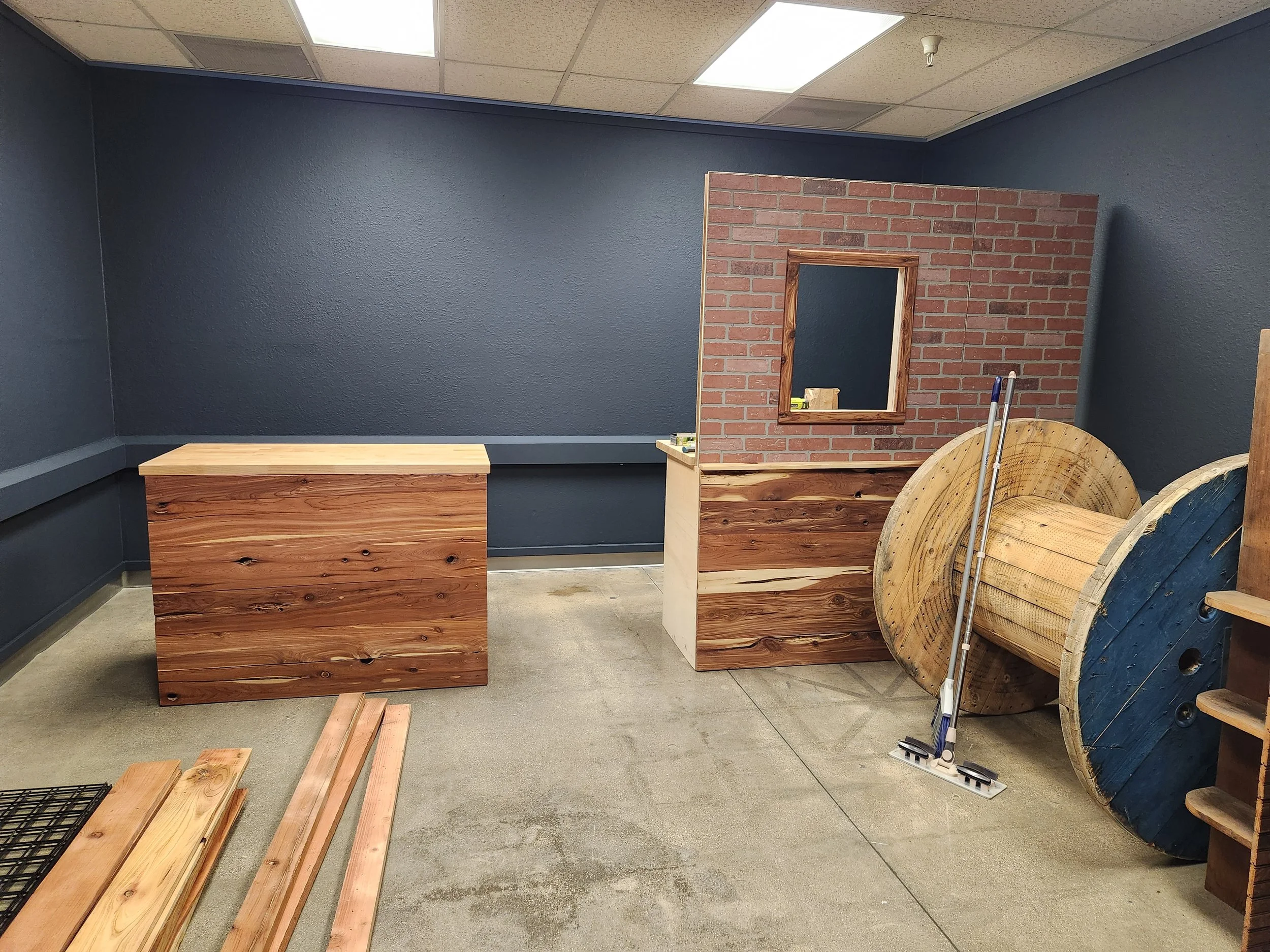
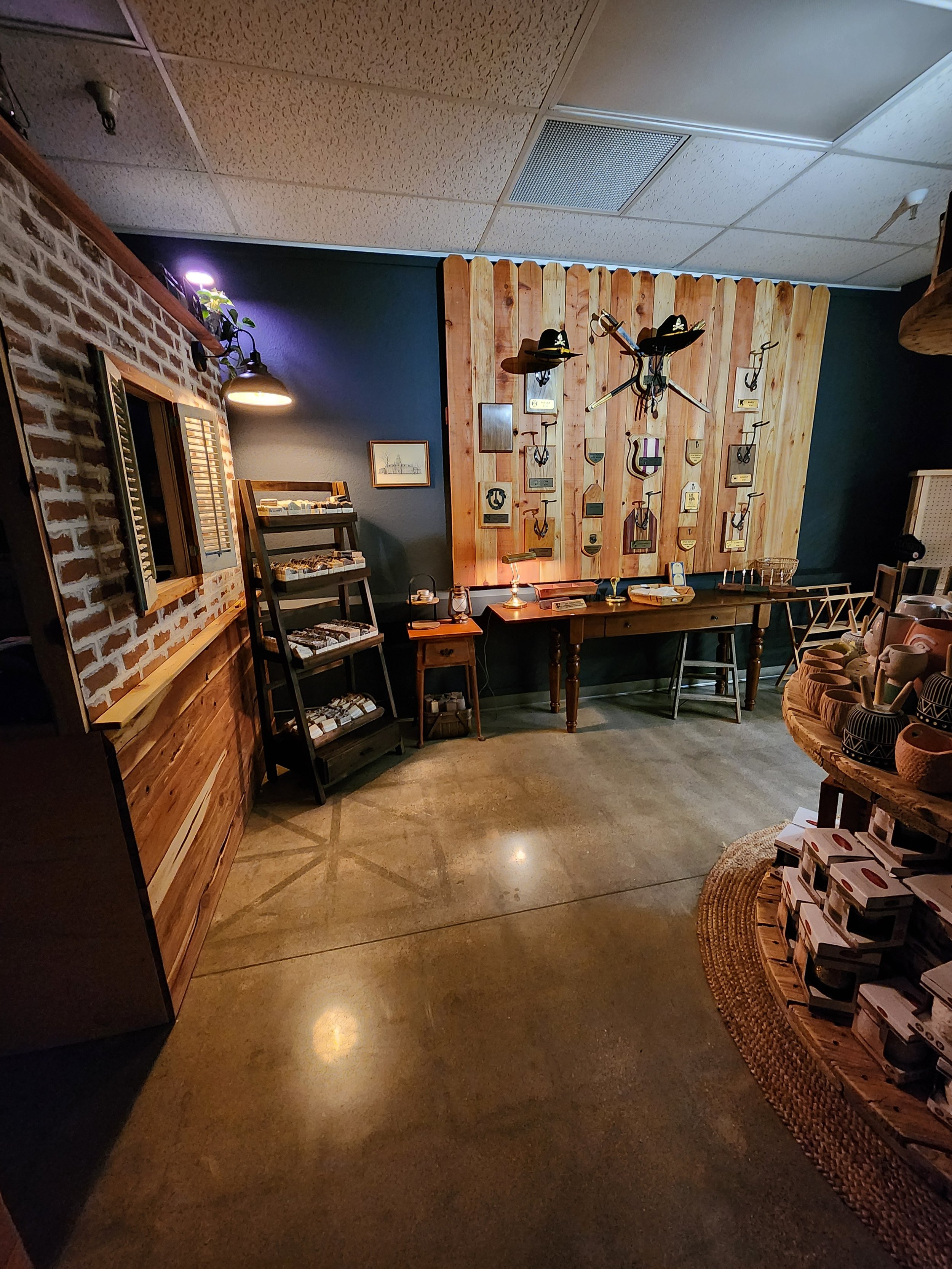
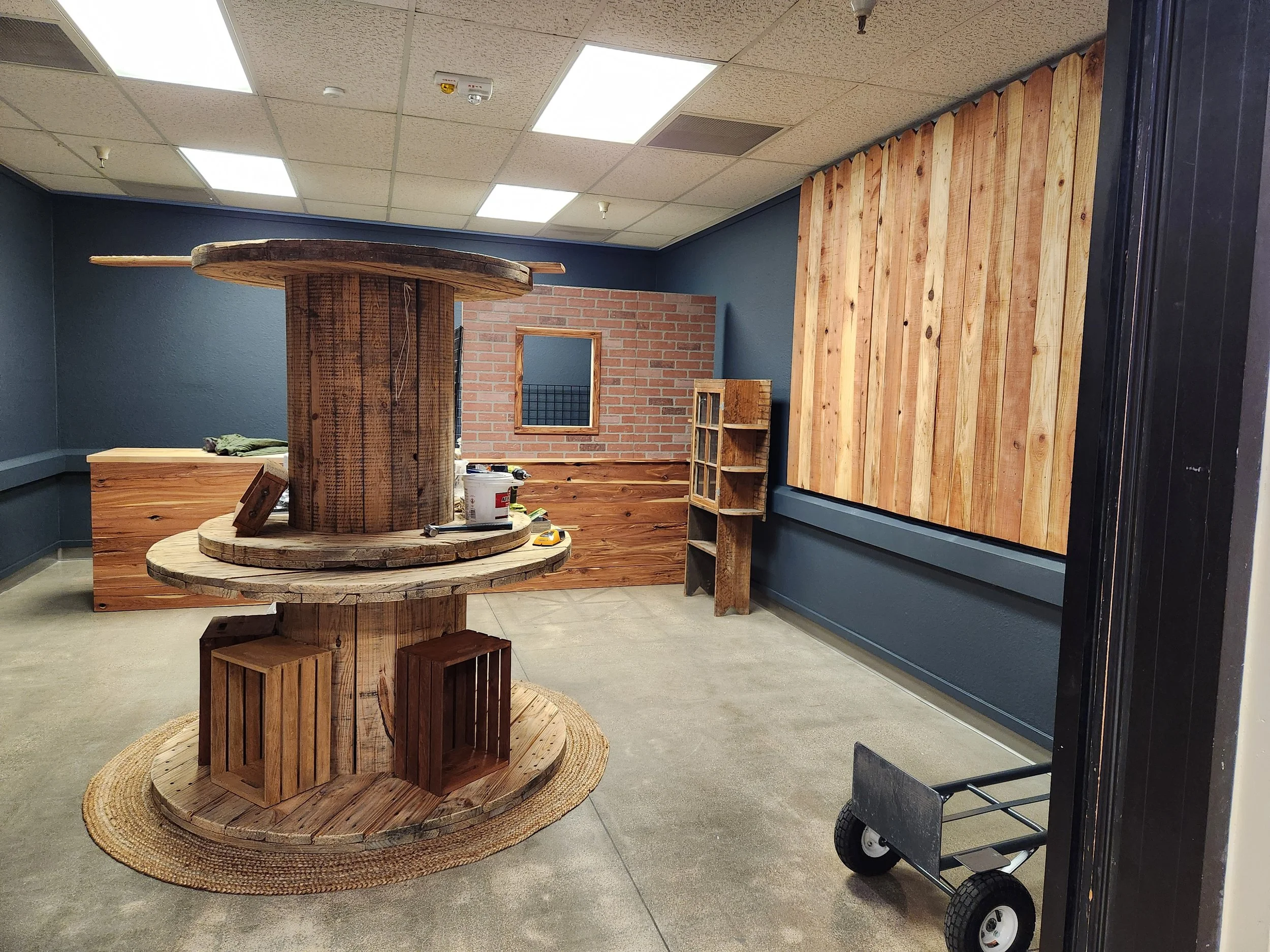
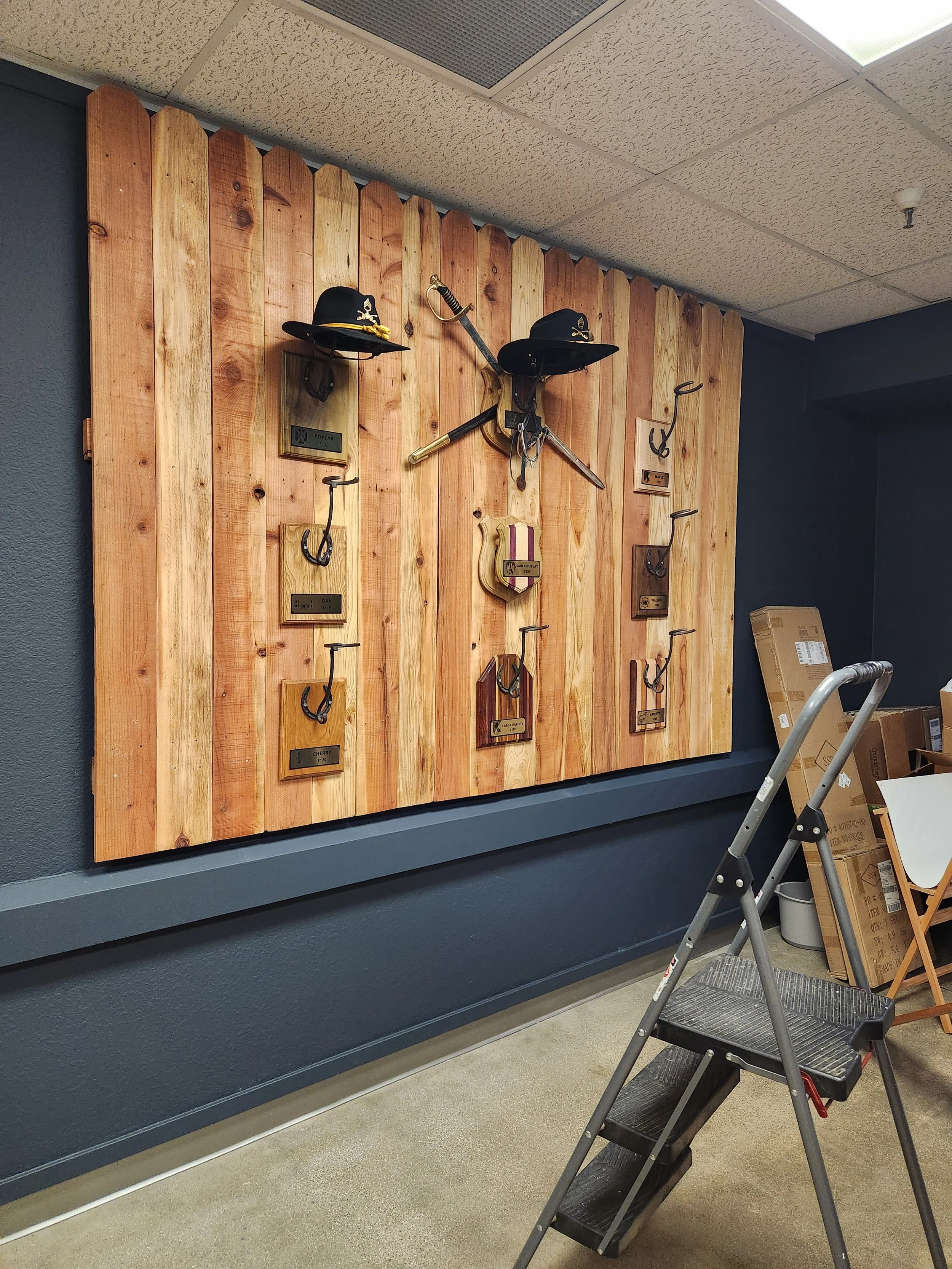
Learning the Rhythm of PX Life
Working with AAFES meant operating within set business hours. I was required to be open Tuesday through Saturday from 11 to 6. The PX sees its biggest lunchtime rush between 11 and 2, so those hours were mandatory. Outside that window, I could take a lunch break.
It sounds simple until you live inside it. That schedule dictated everything. It meant no quick supply runs, no working from home when I needed the flexibility, and no shifting the day around custom orders or creative momentum. The store had to be open, whether or not the rest of my business needed me somewhere else.

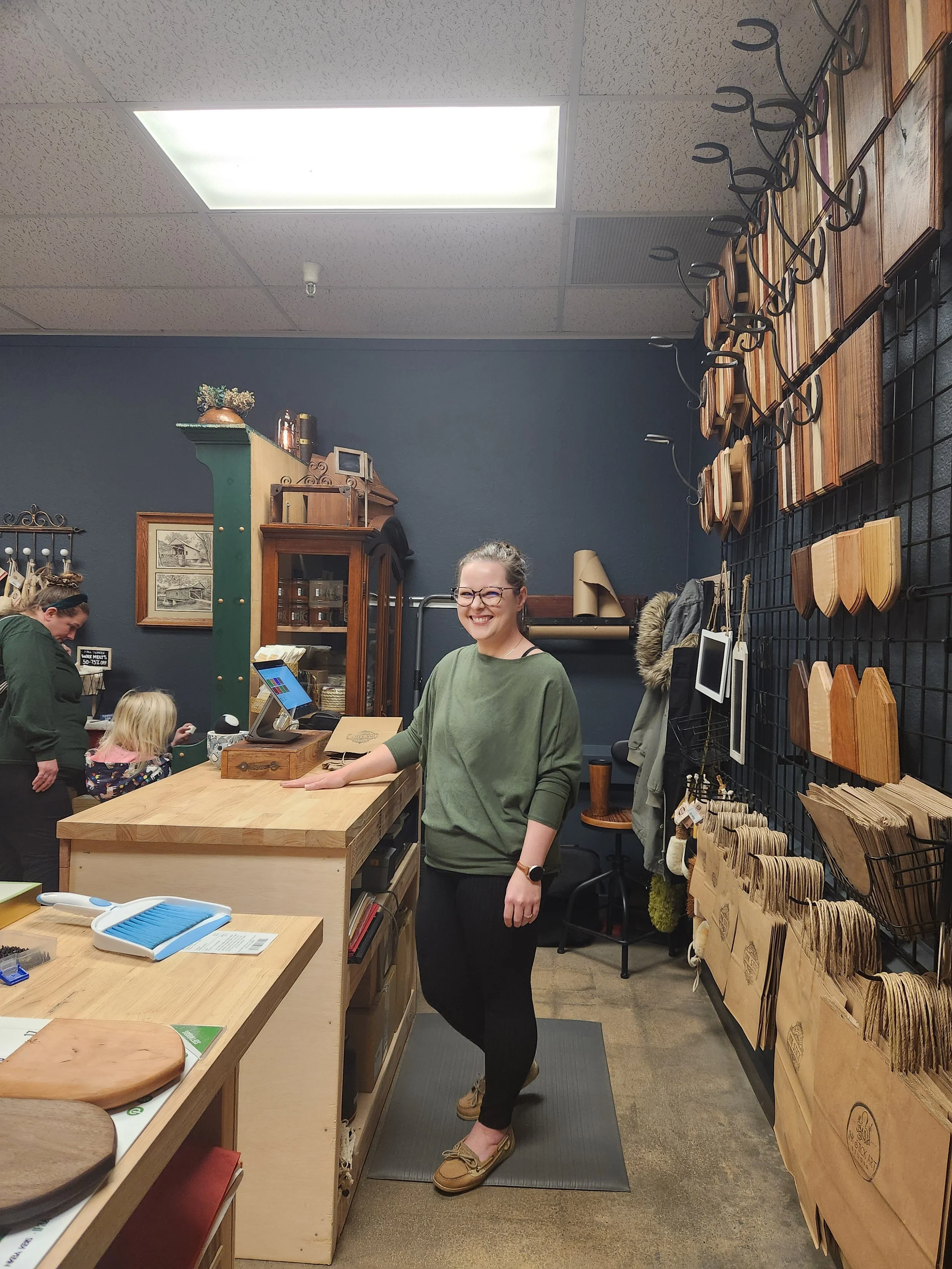
The Reality of Running a Store Alone
Over the next two years, I learned the difference between owning a business and running a physical storefront. A business lets you move between tasks as needed. A store expects your presence, even during slow hours. Every repair, lighting issue, layout adjustment, or tech problem was mine to solve.
And when the doors closed at 6, another workday started. Custom orders and candles could not be processed inside the PX. The equipment, materials, and safety requirements meant all of that work had to be done at home. So my nights looked like pouring candles, engraving plaques, answering messages, updating inventory, and catching up on admin tasks that could not be handled inside the store. The clock did not magically stop just because the store did.
We did hire an employee, but we could only afford a few hours of coverage each day. It helped, but it did not solve the larger challenge. Running a brick and mortar space required full time attention, and so did production. I was constantly splitting myself between both sides of the business.
Even in the middle of that, I learned so much about display design, inventory flow, and what the military community actually buys. Those insights were incredibly valuable. So was the chance to connect with soldiers, spouses, retirees, and people who became loyal customers.
But the pace was demanding in a way that simply was not sustainable long term.
What the Two Years Taught Me
Looking back, those two years were a mix of pride, exhaustion, growth, and grit. I built something meaningful in a community that I care about. I learned how to navigate a structured retail environment inside a military installation. I made connections that still matter to me.
I also learned what it costs to maintain that kind of space on my own. That experience eventually led to one of the hardest but healthiest decisions for my business. We closed the physical store and moved Ink Stick fully back online.
I will talk more about that transition in another blog because it deserves its own space. It was a turning point for me as both a military spouse and a business owner, and it shaped the direction of where Ink Stick is going next.
For now, this chapter stands on its own. It was challenging, rewarding, and full of lessons I am excited to share as this blog series continues.